

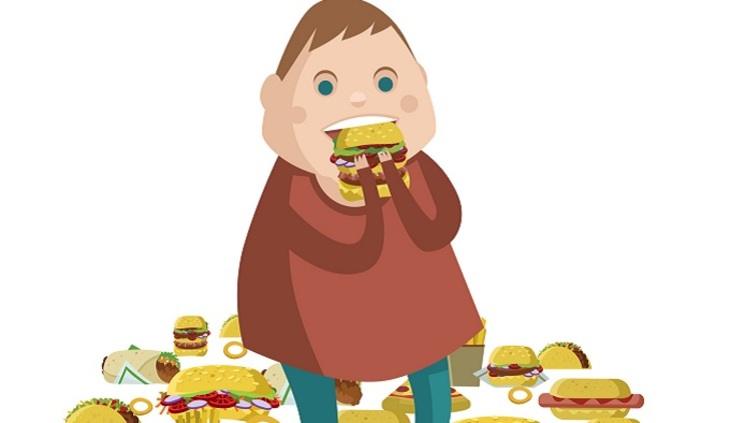
What is food addiction?
It is one of the most common mental disorders, causing a significant number of obesity cases. What does it entail? Understanding food addiction is not difficult – imagine coming home after a hard day and rushing to eat something delicious to quickly forget about the day's hustle and problems. Yes – even such behaviour is already food addiction. Of course, in serious cases, a person starts to literally eat away any stress and unpleasant situation, or conversely – finds no joy without eating something tasty and filling. In such cases, negative psychological patterns form, ultimately leading to food addiction and many associated problems.
Tip #1 – replace the addiction
A person quickly forms new habits. And new habits can easily replace old ones. Try to replace main food-related habits with something else. For example, if you're used to having a cup of coffee with a bun after a meeting with your manager – perhaps it's better to replace it with a five-minute break on social media, a video game, or even online shopping? It's as engaging as food and healthier!
Tip #2 – sleep well
Sleep affects not only a person's well-being but also many hormones, including hunger hormones, which make a person feel the need to eat during the day. Prolonged lack of sleep, especially at night, leads to unconscious increased food consumption the next day due to elevated ghrelin levels in the blood. Also, lack of sleep leads to a decrease in leptin levels, which is secreted by fat cells – this hormone suppresses appetite. Finally, lack of sleep reduces the body's sensitivity to insulin and increases the risk of diabetes.
Tip #3 – engage in sports
Sports can replace many addictions and bring satisfaction. Moreover, if you expend excess energy during sports, you likely won't need any dietary adjustments. Thus, you'll receive as many positive emotions from food without worrying about excess weight and health risks!
Tip #4 – eat healthy food
It's not necessary to give up food, exercise, or seek a new addiction. You can always adapt the one you already have. Your body is very easy to "trick" – it cares about the process of eating and its taste, not the end result in the form of satiety. Therefore, you can easily review examples of your "snacks" and main meals by replacing high-calorie food with equally tasty low-calorie options. In this way, you can have your cake and eat it too!
Tip #5 – Manage stress
The main problem of food addiction is the stress that arises in a person due to their excess weight. And it is stress that can lead to the emergence of food addiction or become its consequence. If attempts to get rid of food addiction cause you emotional distress, bring you discomfort, and you don't want to consult specialists – it's better not to force yourself and accept your body and habits as they are, and live for your own pleasure!
Related Articles
- How to Recognise and Overcome Emotional Eating
- Overeating. How to Stop Overeating Once and for All?
- How to Adjust Eating Behaviour: Steps to a Healthy Life
- How to recognise an eating disorder: early signs and symptoms