
What is the Gut Microbiome
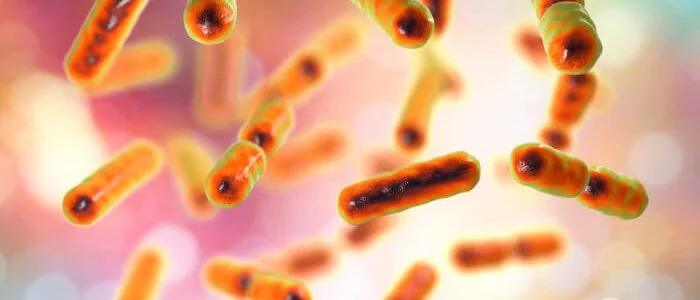
The human body is a place of accumulation of a large number of bacteria and microorganisms that together affect health. The gut microbiome is a complex environment with more than 5,000 species of bacteria. It includes lactobacilli, bifidobacteria, and others. We explain everything about what the microbiome is, how it affects your well-being, and provide useful dietary recommendations.
Impact of the gut microbiome on health
Microorganisms inside can significantly affect human health both positively and negatively. The accumulation performs many important functions:
- digestion of milk. Special bifidobacteria develop in the gut and allow you to digest beneficial sugars necessary for the development of the body;
- assimilation of fibre. Internal bacteria digest fibre and create short-chain fatty acids. This allows improving gut function and preventing the development of various diseases;
- control of immune function. An important part of the microbiome's work is interaction with immune cells. This ensures an appropriate response from your body to various viruses or infections.
The impact can also be on a person's psychological health. Therefore, it is important to monitor the correctness of your diet to avoid negatively affecting the gut microbiome. It is best to consult a specialist on this issue.
Nutrition tips
Here are some useful recommendations from specialists that will help you maintain stable microbiome function and improve its efficiency:
- it is necessary to diversify your diet with various products that will bring value to the body. Among such are legumes;
- eat fermented foods like yogurt, kefir, sauerkraut;
- reduce the amount of sweeteners consumed;
- increase the presence of whole grains in your diet. Fibre and beneficial carbohydrates will help reduce the risk of diabetes and obesity;
- add more products that contain a large amount of polyphenols. These include green tea, red wine, dark chocolate.
We also recommend refraining from taking antibiotics without a doctor's prescription. This can not only be dangerous for your health but also destroy your gut microbiome, negatively affecting your well-being. Therefore, such medications should only be taken under specialist supervision.
The best recommendation is to create a professional diet with a variety of products. A nutrition programme will allow you to consider all your needs and body characteristics, adding the necessary elements and vitamins.
Related Articles
- Post-intestinal surgery menu: focus on recovery
- Sensitive Bowel After Surgery: How to Avoid Bloating, Diarrhoea, and Constipation
- What to eat after bowel surgery
- Nutrition for Peptic Ulcer Disease